 Email:info@ddpforworld.com
  Opening:Available 24/7



As a key trade term, DDP (Delivered Duty Paid) is attracting more and more attention from sellers and buyers alike. Whether you are an experienced importer/exporter or a cross-border e-commerce seller just starting out, understanding the operational details of DDP is crucial. This article summarizes 10 high-frequency questions about DDP logistics, aiming to help you better grasp this trade method through clear explanations.

FAQs of DDP shipping
1. What is DDP? How is it different from DDU?
DDP (Delivered Duty Paid) means that the seller bears all risks and costs involved in bringing the goods to the named destination, including clearance procedures and payment of duties, taxes, and other charges. In other words, the seller is responsible for the entire logistics process until the goods are safely delivered into the buyer’s hands.
In contrast, DDU (Delivered Duty Unpaid) means the seller is responsible for delivering the goods to the destination, but the import clearance procedures and corresponding taxes and duties are borne by the buyer.
The Core Difference lies in the party responsible for paying duties and taxes:
-
DDP: The seller pays all import costs.
-
DDU: The buyer pays the import costs.
2. What specific responsibilities does the seller bear under DDP terms?
Under a DDP transaction, the seller’s responsibilities are extensive and mainly include:
-
Arranging export customs declaration and transportation to the destination.
-
Bearing all transportation costs (ocean freight, air freight, etc.).
-
Handling import clearance procedures in the destination country.
-
Paying all duties, Value-Added Tax (VAT), and other potential taxes/fees.
-
Being responsible for inland transportation within the destination country (if applicable).
-
Bearing all risks to the goods until the point of delivery.

B2B commercial mode can use DDP shipping
3. In which situations is DDP typically used?
The DDP model is particularly suitable for the following scenarios:
-
Cross-border e-commerce sellers: Who wish to provide a transparent and convenient shopping experience, avoiding returns due to buyers’ unfamiliarity with clearance processes.
-
High-value or precision goods: Where the seller wants strict control over the logistics process to ensure safe and accurate delivery.
-
Buyers unfamiliar with the new market: Buyers lacking import experience in the destination country rely on the seller to handle the entire process.
-
In B2B transactions: Where the buyer and seller agree that the seller handles all logistics and taxes, simplifying the buyer’s process.
4. What are the main advantages of using DDP?
Choosing DDP can offer significant benefits to both parties in the transaction:
Advantages for the Buyer:
-
Hassle-free: No need to handle complex clearance and tax payments.
-
Cost transparency: No hidden fees after paying the total price.
-
Reduced risk: Minimizes delays or fines due to clearance issues.
Advantages for the Seller:
-
Enhanced competitiveness: Attracts more customers by offering convenient service.
-
Full control: Manages logistics independently, ensuring timeliness and safety.
-
Increased trust: Demonstrates professionalism and reliability.
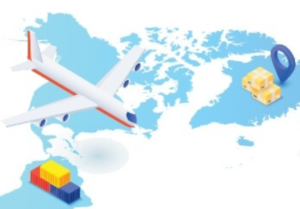
Door-to-door shipping
5. What are the main risks and challenges of DDP?
Although DDP has clear advantages, sellers must also be aware of the following risks:
1. Uncontrollable Cost Risk
Taxes and duties in the destination country may change due to policy adjustments. Failure to update information promptly can lead to reduced profits.
2. Clearance Delay Risk
Document errors, cargo inspections, etc., can all delay clearance and affect delivery timelines.
3. Compliance Risk
Unfamiliarity with the destination country’s regulations may lead to violations and penalties.
4. Liability Boundary Risk
If goods are damaged before final delivery, determining liability can lead to disputes.
6. How to accurately calculate DDP costs?
Calculating the total DDP cost requires considering multiple factors. Below is a simplified table of cost components:
| Cost Category | Specific Items | Description |
|---|---|---|
| Goods Cost | Product cost, packaging fee | Base product value and packaging material costs |
| International Freight | Ocean/Air freight, fuel surcharge | Cost of the main transport leg |
| Insurance Cost | Cargo transportation insurance | Recommended to insure against risks |
| Export Formalities | Export declaration fee, documentation fee | Administrative fees related to the exporting country |
| Destination Country Fees | Import duty, VAT, customs clearance agency fee | Core DDP costs, require accurate estimation |
| Inland Transportation | Transport fee from destination port to warehouse | Last-mile delivery |
| Other Miscellaneous Fees | Storage fee, special handling fee | May arise depending on the actual situation |
Calculation Tip: Be sure to communicate closely with the destination country’s customs broker or logistics partner to obtain the latest tax rates and fee standards.
7. What is the clearance process for DDP?
A typical DDP clearance process includes the following steps:
-
Shipment Dispatch: The seller arranges transportation to the destination country.
-
Document Preparation: The seller or their agent prepares clearance documents (invoice, packing list, bill of lading, certificate of origin, etc.).
-
Declaration and Tax Payment: Upon arrival, declare the goods to the destination customs and pay duties/taxes.
-
Customs Inspection (if required): Cooperate with customs for physical or documentary inspection.
-
Release and Pick-up: After clearance, arrange inland transportation to the final address.
-
Delivery Completion: Buyer signs for receipt, concluding the process.
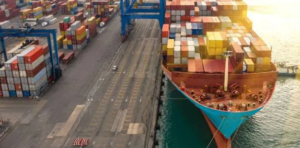
DDP transaction by sea
8. As a buyer, what should I pay attention to in a DDP transaction?
Even though the seller bears the main responsibility, the buyer should also proactively pay attention to:
-
Verifying Seller Qualifications: Confirm their capability to handle clearance in the destination country.
-
Clarifying Delivery Details: Ensure the address, contact person, time, etc., are accurate.
-
Keeping Communication Records: Keep records as evidence in case of disputes.
-
Understanding Return Policy: How the return process and costs are handled if goods do not conform.
9. What key elements should a DDP contract clause include?
A well-drafted DDP contract should clearly define the following:
-
Price Terms: Clearly list all cost items included in the total price.
-
Place and Time of Delivery: Specify the exact address and expected delivery date.
-
Point of Risk Transfer: Usually transfers to the buyer upon signing for receipt.
-
Tax and Duty Details: List the types of taxes borne by the seller.
-
Breach of Contract and Dispute Resolution: Stipulate handling methods for delays, damaged goods, etc.
-
Force Majeure Clause: Define the responsibilities of both parties under special circumstances.
10. How to choose a reliable DDP logistics service provider?
Choosing the right partner is key to DDP success. It is recommended to evaluate based on the following aspects:
-
Professional Experience: Has substantial practical experience with clearance in the destination country.
-
Network Coverage: Has stable local partners or branches.
-
Transparency: Provides clear, timely cost explanations and tracking updates.
-
Compliance Capability: Familiar with the latest regulations in the destination country and can provide professional advice.
-
Customer Reviews: Check feedback and case studies from existing clients.
As a comprehensive “door-to-door” logistics solution, DDP offers significant advantages in enhancing customer experience and simplifying the buyer’s process. However, its complex operational procedures and potential risks also require sellers to possess professional logistics management capabilities and risk awareness. By gaining a deeper understanding of the 10 high-frequency questions above, both buyers and sellers can more confidently address the various challenges in DDP transactions, achieving smoother and more reliable international logistics delivery.
In an era of ongoing global supply chain transformation, mastering key trade terms like DDP is undoubtedly an important step in enhancing a company’s competitiveness and exploring international markets. We hope this article provides you with practical insights and assistance.
DDPFORWORLD-Professional freight forwarder in China
DDP for World is a full-service and shipping forwarder dedicated to assisting our clients in focusing and growing their businesses. We do DDP shipping since 2015 by handling home décor, Pet products, battery, power banks, DG cargo, general cargo and Amazon FBA forwarding service. We make your shipping easier and faster by Sea, Air, Express, Truck or Railway. If you have any questions or needs about freight forwarders, please feel free to contact us, we will serve you wholeheartedly.

 Email: info@ddpforworld.com
