 Email:info@ddpforworld.com
  Opening:Available 24/7



Holiday Opportunities and Logistics Challenges Coexist
Every year in the fourth quarter, global cross-border e-commerce experiences its most crucial sales season. The arrival of the Christmas shopping season signifies a surge in orders and a sales peak. However, behind this prosperity lies the reality of immense pressure on the logistics system.
For cross-border e-commerce sellers using the DDP model, logistics operations during Christmas are more like a meticulously planned symphony. Buyers expect a seamless shopping experience—simply wait for their packages to arrive after placing an order, without worrying about customs clearance or additional taxes. Ensuring this experience relies entirely on the coordinated operation of sellers and their logistics partners throughout the supply chain.
Statistics show that during December each year, cargo throughput at major ports in Europe and America surges by over 40%, while customs processing efficiency and last-mile delivery speed decrease by approximately 30%. This supply-demand imbalance is particularly pronounced during the holiday season, directly testing the logistics management capabilities of each seller.

DDP Shipping in Christmas
1. Advance Planning
Successful Christmas logistics isn’t about last-minute scrambling; it requires systematic planning starting at least 90 days in advance. The quality of this planning directly determines the smoothness of the entire peak season’s logistics operations.
Time management is the core task at this stage. We recommend using a backward planning method: first, determine the deadline for the last wave of orders to be delivered before Christmas, and then work backward to calculate the latest shipping time based on different modes of transportation. For example, sea freight to the US East Coast typically needs to be shipped by early October; air freight can be delayed until mid-November; and express parcels should be sent out before the end of November.
Deep collaboration with partners across the supply chain is also crucial. In-depth communication with DDP logistics service providers should begin in September to strive for peak season cooperation agreements that include guaranteed space, price lock-ins, and service commitments. Simultaneously, production plans need to be coordinated with manufacturing suppliers, and a phased production plan should be developed based on sales forecasts to avoid inventory backlogs or supply shortages.
Inventory deployment strategies also require careful design. A multi-tiered, multi-channel warehousing layout is recommended: 40%-50% of core goods should be pre-stocked in overseas or FBA warehouses; 30%-40% should be maintained in domestic warehouses for handling customized orders or new product sales; and the remaining 10%-20% can be placed in bonded zones or logistics hub warehouses as an emergency buffer.

DDP Shipping in Christmas
2. Dynamic Operations Management During the Holiday Season
As November draws to a close, the Christmas logistics battle officially begins. The focus at this stage is real-time monitoring and flexible response to ensure the smooth flow of goods in the complex and ever-changing holiday environment.
Understanding the specific holiday arrangements of the destination country is a prerequisite for developing a response strategy. Customs in most European and American countries will be closed from the afternoon of December 24th to the entire day of the 26th, and express and postal services will be adjusted accordingly. For example, UPS and FedEx will stop service all day on December 25th, and postal systems in various countries are basically at a standstill during the Christmas period. This information needs to be obtained in advance, and shipping plans should be adjusted accordingly.
High-quality DDP service providers usually activate special operating mechanisms during peak seasons. They may offer pre-arranged customs clearance services to ensure goods are processed as soon as customs resumes operations; establish pre-clearance systems to allow goods to complete declaration preparation en route; or maintain emergency clearance teams specifically to handle unforeseen circumstances during the holiday season. As a seller, you need to fully understand and utilize these services effectively.
- Regarding warehousing and transshipment, service providers may activate hub warehouse temporary storage systems.
- They may adopt multi-port diversion strategies to address congestion at major ports.
- They may utilize intelligent routing systems to optimize last-mile delivery routes.
Information transparency is particularly important at this stage. You should require logistics service providers to increase the frequency of status updates, establish dedicated customer service channels, and set up anomaly warning mechanisms. These measures can help sellers keep track of cargo status in a timely manner and identify potential problems early.
Towards end consumers, sellers need to conduct thorough communication. Clearly indicate the Christmas season shipping deadline and estimated delivery time on your store page, set reasonable shipping cost strategies, and prepare a comprehensive customer service response system. While these front-end efforts do not directly involve logistics operations, they directly impact customer experience and brand reputation.

DDP Shipping in Public Holiday
3. Post-Holiday Recovery and Problem Handling
After the Christmas season ends, the logistics system will not immediately return to normal. The first two weeks of January are typically a peak period for problems, requiring special attention and proper handling.
Port congestion, customs clearance queues, and last-mile delivery delays are the most common issues during this period. Based on past experience, the probability of port congestion after the holidays is as high as 80%, customs clearance queues are extended in 75%, and last-mile delivery delays reach 90%. To address these issues, it’s necessary to develop contingency plans in advance: allow 7-10 days of buffer time for January shipments; utilize pre-clearance services to expedite the process; and proactively notify customers of potential delays.
Collaboration with DDP service providers is particularly important during this phase. It’s necessary to jointly determine the priority for handling pre-holiday backlogged goods, verify the completeness of all in-transit documents, assess the actual performance of each logistics channel, and audit all costs incurred during the holiday period. This post-holiday summary and analysis not only helps resolve current problems but also accumulates valuable experience for future peak season logistics planning.
When logistics delays are unavoidable, how to handle the aftermath becomes crucial for maintaining customer relationships. A tiered compensation mechanism is recommended: for minor delays of 3-5 days, an apology email and a discount on future purchases can be sent; for moderate delays of 6-10 days, a partial refund can be considered; for severe delays exceeding 10 days, a full refund or reshipment may be necessary. Proper handling can minimize negative impacts and even turn them into opportunities to enhance customer loyalty.
3.1 Cost Control and Efficiency Balance
Holiday logistics operations must consider not only timeliness but also cost control. Increased surcharges are common during peak seasons, requiring advance budget planning.
- Air freight peak surcharges typically increase by 30%-50% from mid-November to late December.
- Trucking overtime fees during the Christmas period may increase by 50%-100%.
- Warehousing demurrage fees often double after December 20th.
- Emergency handling fees may increase throughout the peak season.
Faced with these cost pressures, choosing the right distribution channels is crucial. We recommend adopting differentiated logistics solutions based on product characteristics: high-value, urgent goods can be shipped directly via air freight and express delivery, which, although more expensive, ensures timely delivery; medium-value, regular goods should primarily be shipped by sea, supplemented by pre-holiday air freight replenishment; low-value, seasonal goods are best suited for economical sea freight solutions, controlling costs through advance inventory preparation.
3.2 Typical additional cost structure during Christmas
| Fee Type | Increase Range | Occurrence Period | Optimization Suggestions |
| Air Freight Peak Season Surcharge | +30%–50% | November 15 – December 20 | Lock in rates early, use charter flights or block space |
| Trucking Holiday Overtime Fee | +50%–100% | December 24 – January 2 | Avoid delivery on peak days, use intermodal transportation |
| Storage Overtime Fees | +100%–200% | After December 20 | Accurately calculate turnover time to avoid storage backlog |
| Emergency Handling Fees | +50%–100% | Entire period | Plan ahead to minimize urgent handling requirements |
3.3 Practical Operation Guide
To ensure flawless Christmas logistics operations, we suggest sellers check and prepare according to the following timeline:
During the strategic planning period from September to October, a detailed timeline needs to be finalized, peak season guarantee agreements signed with logistics service providers, inventory deployment plans determined, and production costs locked in. The thoroughness of these foundational tasks directly determines the smoothness of subsequent operations.
Entering the operational execution period in November, the focus shifts to practical operations: completing the initial holiday inventory preparation and arranging shipments, updating logistics policies on all sales platforms, testing the customer service system, purchasing transportation insurance, and confirming communication mechanisms with logistics providers during the holiday period. This stage requires meticulous attention to detail; negligence in any parts can lead to subsequent problems.
December marks the start of the risk management phase, requiring daily monitoring of cargo status, regular communication with logistics providers, and preparation of various contingency plans. This stage emphasizes flexibility and adaptability, enabling rapid strategy adjustments based on actual circumstances.
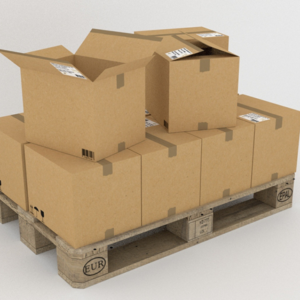
From Logistics Execution to Strategic Value Creation
4. From Logistics Execution to Strategic Value Creation
On the surface, Christmas season DDP logistics operations are about ensuring on-time delivery—a technical challenge. At a deeper level, however, it’s about fulfilling brand promises and building customer trust. Sellers who maintain logistical stability and transparency during the holiday season often stand out in the fierce market competition.
Successful holiday logistics requires a combination of systematic planning, meticulous execution, and flexible responses. DDP service providers should become true strategic partners to sellers, not just transportation service providers. Through the logistical challenges of the Christmas season, sellers not only improve sales performance but also hone their supply chain management capabilities, laying a solid foundation for long-term business development.
DDPFORWORLD-Professional freight forwarder in China
DDP for World is a full-service and shipping forwarder dedicated to assisting our clients in focusing and growing their businesses. We do DDP shipping since 2015 by handling home décor, Pet products, battery, power banks, DG cargo, general cargo and Amazon FBA forwarding service. We make your shipping easier and faster by Sea, Air, Express, Truck or Railway. If you have any questions or needs about freight forwarders, please feel free to contact us, we will serve you wholeheartedly.

 Email: info@ddpforworld.com
